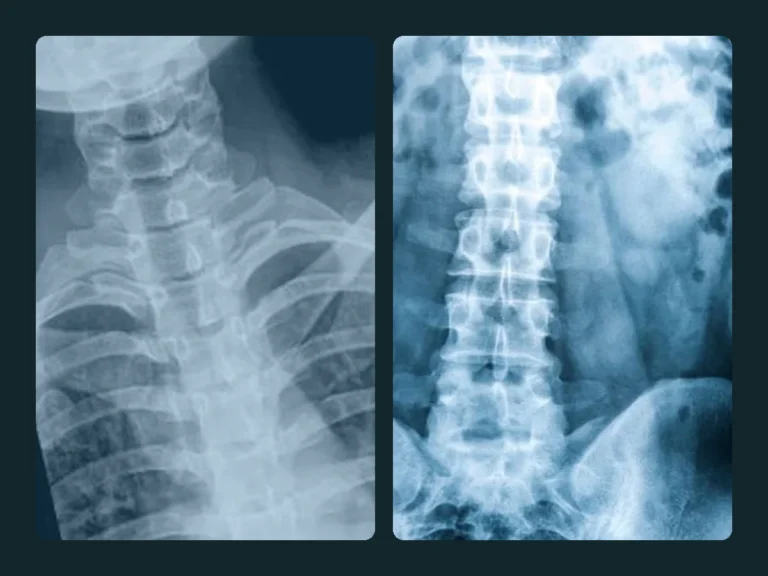

What is Whiplash?
Whiplash is a term commonly used to describe a neck injury that occurs when the head is suddenly jolted backward and then forward, or vice versa, in a rapid and forceful manner. It most often happens in car accidents, particularly in rear-end collisions, but can also occur in sports injuries, physical assaults, and other incidents where the head and neck experience sudden and extreme movement.
What are the complications from Whiplash?
- Chronic neck pain: In some cases, whiplash can lead to chronic or long-lasting neck pain that persists beyond the expected recovery period.
- Headaches and migraines: Whiplash can contribute to the development of recurrent headaches or migraines.
- Neck stiffness and reduced range of motion: Some individuals may continue to experience persistent neck stiffness and limited mobility, which can affect daily activities and quality of life.
- Radiating pain and nerve involvement: Whiplash can cause nerve irritation or compression, resulting in radiating pain, numbness, tingling, or weakness that extends into the arms or hands.
- Temporomandibular joint (TMJ) dysfunction: Whiplash-related jaw pain and dysfunction can lead to temporomandibular joint disorders, causing difficulties with jaw movement, chewing, and pain in the jaw area.
- Psychological and emotional issues: Prolonged whiplash symptoms can have a psychological impact, leading to anxiety, depression, sleep disturbances, or even post-traumatic stress disorder (PTSD).
- Cognitive difficulties: Some individuals may experience difficulties with concentration, memory, and cognitive function following whiplash, impacting their ability to perform daily tasks.
The common causes of Whiplash:
The rapid back-and-forth motion of the head causes the neck to move beyond its normal range of motion, resulting in strain and damage to the soft tissues in the neck, including muscles, ligaments, tendons, and discs. The severity of whiplash can vary widely, ranging from mild discomfort and stiffness to more severe symptoms.
- Car accidents: Rear-end collisions are the most frequent cause of whiplash due to the abrupt impact from the vehicle behind.
- Sports injuries: Contact sports like football, rugby, or boxing, as well as activities like horseback riding or skiing, can lead to whiplash if the head and neck experience sudden jerking movements.
- Physical assaults: Violent incidents involving blows to the head or neck can cause whiplash.
- Roller coaster rides: The rapid movements and forces experienced on roller coasters can potentially cause whiplash.
- Slip and fall accidents: In some cases, a sudden slip and fall, especially if the head and neck are forcefully jolted, can result in whiplash.
- Physical abuse: Acts of physical abuse, such as being shaken or forcefully pushed, can cause whiplash injuries.
- Work-related accidents: Certain occupations, such as construction or transportation, may expose individuals to the risk of whiplash from accidents involving heavy machinery or sudden impacts.
What are the symptoms of Whiplash?
The symptoms of whiplash can vary from person to person, and their severity depends on the extent of the injury. Common symptoms of whiplash include:
- Neck pain and stiffness.
- Reduced range of motion.
- Headaches.
- Dizziness.
- Fatigue.
- Shoulder and upper back pain.
- Arm pain or numbness.
- Jaw pain.
- Cognitive and psychological symptoms (e.g., concentration difficulties, memory problems, sleep disturbances, irritability, anxiety, or depression).
Do I need to see a doctor for Whiplash? When should I see a doctor?
It is generally recommended to see a healthcare professional if you suspect you have whiplash or if you have been involved in an accident or incident that may have caused neck trauma.
It is recommended to see a healthcare professional for whiplash if:
- Suspected whiplash or neck trauma.
- Moderate to severe pain.
- Persistent or worsening symptoms.
- Neck stiffness or reduced range of motion.
- Radiating pain or neurological symptoms.
- Headaches or dizziness.
- Cognitive or psychological difficulties.
- Concerns about the severity of the injury.
What are the treatments for Whiplash?
The treatment for whiplash aims to alleviate pain, reduce inflammation, restore neck function, and promote healing. The specific treatment options may vary depending on the severity of the injury and individual circumstances. Here are common treatments for whiplash:
- Rest and activity modification: Avoiding activities that worsen symptoms is important during the healing process.
- Pain medication: Over-the-counter pain relievers like acetaminophen (Tylenol) or non-steroidal anti-inflammatory drugs (NSAIDs) such as ibuprofen (Advil, Motrin) may help manage pain and reduce inflammation. Stronger prescription pain medications may be prescribed for severe pain.
- Ice and heat therapy: Applying ice packs to the neck in the early stages can help reduce pain and inflammation. Later, heat therapy, such as warm compresses or hot showers, may help relax muscles and improve circulation.
- Neck immobilization: In some cases, a cervical collar or neck brace may be prescribed to provide support and limit neck movement, particularly during the initial stages of injury.
- Physical therapy: A physical therapist can design a customized exercise program to improve neck strength, flexibility, and range of motion. They may also use techniques such as manual therapy, ultrasound, or electrical stimulation.
- Injections: In some cases, corticosteroid injections may be recommended to reduce inflammation and alleviate pain in specific areas.
- Massage therapy: Massage techniques can help relax muscles, improve blood circulation, and reduce muscle tension and pain associated with whiplash.
- Chiropractic care: Chiropractors may use spinal manipulation techniques to improve joint mobility and reduce pain.
Is chiropractic treatment good for Whiplash? Should I see a chiropractor?
Chiropractic care is a non-surgical treatment approach that focuses on the diagnosis, treatment, and prevention of mechanical disorders of the musculoskeletal system, particularly the spine. Chiropractors use hands-on techniques to manipulate and adjust the spine and other joints with the aim of reducing pain, improving function, and promoting overall health.
For whiplash injuries, chiropractors may employ various chiropractic techniques to address the specific issues associated with the condition. These techniques can include:
- Spinal manipulation: Chiropractors use controlled, manual adjustments to realign the spinal joints that may have been affected by the whiplash injury. By restoring proper alignment, spinal manipulation can help relieve pain, improve joint mobility, and enhance the body’s natural healing process.
- Mobilization: This technique involves gentle stretching and movement of the affected joints and muscles to improve their range of motion. Mobilization is often used in cases where spinal manipulation may not be appropriate or well-tolerated.
- Soft tissue therapy: Chiropractors may incorporate soft tissue techniques, such as massage or trigger point therapy, to address muscle tension, reduce muscle spasms, and promote relaxation in the affected areas.
- Therapeutic exercises: Chiropractors may prescribe specific exercises to help strengthen the neck muscles, improve stability, and enhance posture. These exercises can aid in the rehabilitation process and reduce the risk of future injuries.
Chiropractic care for whiplash is often used in conjunction with other treatments, such as physical therapy or pain management techniques. The specific treatment plan will depend on the individual’s condition, symptoms, and preferences.

This page is general health information, not a diagnosis. If your symptoms are severe, sudden or getting worse, see a doctor promptly. Last updated October 2026.