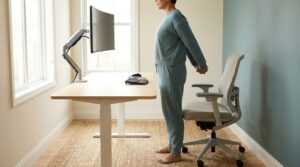

As we move through 2026, prioritising musculoskeletal health can be a practical way to support mobility, strength, and daily function. The musculoskeletal system helps the body move and remain stable. It includes the bones, muscles, joints, and connective tissues that work together during everyday activities.
From sitting at a desk to exercising, walking, lifting, and managing household tasks, your musculoskeletal system is involved throughout the day. Supporting it does not require a complicated routine. Small, consistent habits—including regular movement, better posture, workspace ergonomics, and professional guidance when appropriate—can help you take a more proactive approach to your overall well-being.
What Is the Musculoskeletal System?
The musculoskeletal system is made up of bones, muscles, joints, and connective tissues. These parts work together to support movement and stability.
When the system is functioning well, it helps you carry out daily activities with greater ease. However, the demands of modern life can place stress on the body. Long hours at a desk, repetitive movements, physical activity, and poor posture may contribute to discomfort, stiffness, muscle tension, and reduced mobility.
These concerns can affect the back, neck, shoulders, and other areas of the body. They may also make it more difficult to stay active or complete normal tasks comfortably.
How Posture and Back Pain Can Be Connected
Posture refers to how the body is positioned while sitting, standing, moving, or resting. Poor posture may place additional strain on certain muscles and joints, especially when maintained for long periods.
For example, working at a desk for several hours without suitable workspace support may contribute to muscle tension or discomfort. Repetitive stress and limited movement may also affect how the body feels over time. For practical guidance, see posture correction exercises and ergonomics.
The relationship between posture and back pain can vary from person to person. Posture is one possible factor, but it should not automatically be treated as the sole cause of discomfort. A proper assessment can help determine whether chiropractic care or another form of professional support is appropriate for your situation.
How Chiropractic Care May Support Musculoskeletal Health
Chiropractic care focuses on the spine and musculoskeletal system. Depending on an individual’s needs, care may be considered as part of a broader approach to supporting movement, comfort, and physical function.
Potential chiropractic care benefits may include:
- Supporting comfort when back or neck discomfort is present
- Promoting improved posture and spinal alignment
- Supporting mobility and flexibility
- Assisting recovery after certain injuries
- Helping reduce muscle tension and physical stress
- Encouraging greater awareness of movement and body positioning
These potential benefits are not guaranteed, and results can differ between individuals. Chiropractic care should be based on an appropriate assessment rather than a one-size-fits-all approach.
It is also important to avoid viewing chiropractic care as a guaranteed solution or as a replacement for every other form of healthcare. It may be one component of a wider musculoskeletal health plan that includes daily movement, suitable ergonomics, and other appropriate professional advice.
Practical Ways to Support Your Musculoskeletal System
A proactive approach to musculoskeletal system health can begin with simple daily habits.
Include Regular Movement
Regular movement can help you stay active during the day. If your work involves prolonged sitting, consider taking opportunities to change position and move regularly. Movement habits should be realistic and suitable for your current abilities.
Review Your Workspace Ergonomics
Your workspace can influence how you sit and work. Consider whether your setup allows you to maintain a comfortable posture and avoid unnecessary strain. A practical ergonomic review may be especially useful if you spend long hours at a desk.
Pay Attention to Posture
Try to notice how you position your body during work, rest, and everyday activities. Improving posture is not about holding one rigid position all day. It is about developing greater awareness and avoiding prolonged, uncomfortable positions where possible.
Stay Hydrated and Choose Nutrient-Rich Foods
Hydration and a nutrient-rich diet are also part of the health resolutions that can support general well-being. These habits should complement, rather than replace, appropriate care for specific concerns.
Consider Regular Chiropractic Check-Ups
Some people may include regular chiropractic check-ups as part of their approach to musculoskeletal health. A consultation can help discuss your concerns, daily activities, and goals, and determine whether chiropractic care is suitable for you.
When to Consider Chiropractic Singapore Services
If you are looking for chiropractic Singapore services, choose a provider that takes time to understand your concerns and avoids making unrealistic promises. A suitable consultation should focus on your individual needs and provide clear information about the proposed approach.
Whether your concerns relate to desk work, posture, physical activity, stiffness, or general mobility, discussing them with a qualified professional can help you make a more informed decision about your care.
A Practical Health Resolution for 2026
Supporting the musculoskeletal system is not about guaranteeing a pain-free future. It is about building practical habits that may help you stay aware of your movement, posture, workspace, and overall physical well-being.
In 2026, consider making musculoskeletal health part of your regular self-care routine. Start with daily movement, review your workspace ergonomics, maintain comfortable posture habits, stay hydrated, choose nutrient-rich foods, and seek professional guidance when needed.
Health disclaimer: This article is for general information only and is not medical advice, a diagnosis, or a substitute for care from a qualified healthcare professional. Chiropractic care may not be suitable for everyone, and outcomes vary. Consult an appropriately qualified healthcare professional about your individual symptoms and circumstances.
If you would like to discuss your musculoskeletal health and whether chiropractic care may be appropriate for your needs, contact a chiropractic provider in Singapore to arrange a consultation.