Healing Hands

Healing Hands Wellness · Stretch Therapy

Stretch Therapy (Assisted Stretching) in Singapore.

Therapist-assisted stretching to release tension and improve mobility.

Stretch therapy is a guided, hands-on technique where a trained stretch therapist helps you perform targeted stretches to relieve tension and increase your range of motion.

  • 30-minute stretching session plus a 15-minute consultation, with a fully trained stretch therapist
  • Valid for peak and off-peak slots
  • Tailored to your body, lifestyle and goals
  • Available at 6 Healing Hands clinics

Stretch therapy session $50 · 30-minute stretch + 15-minute consultation. T&Cs apply.

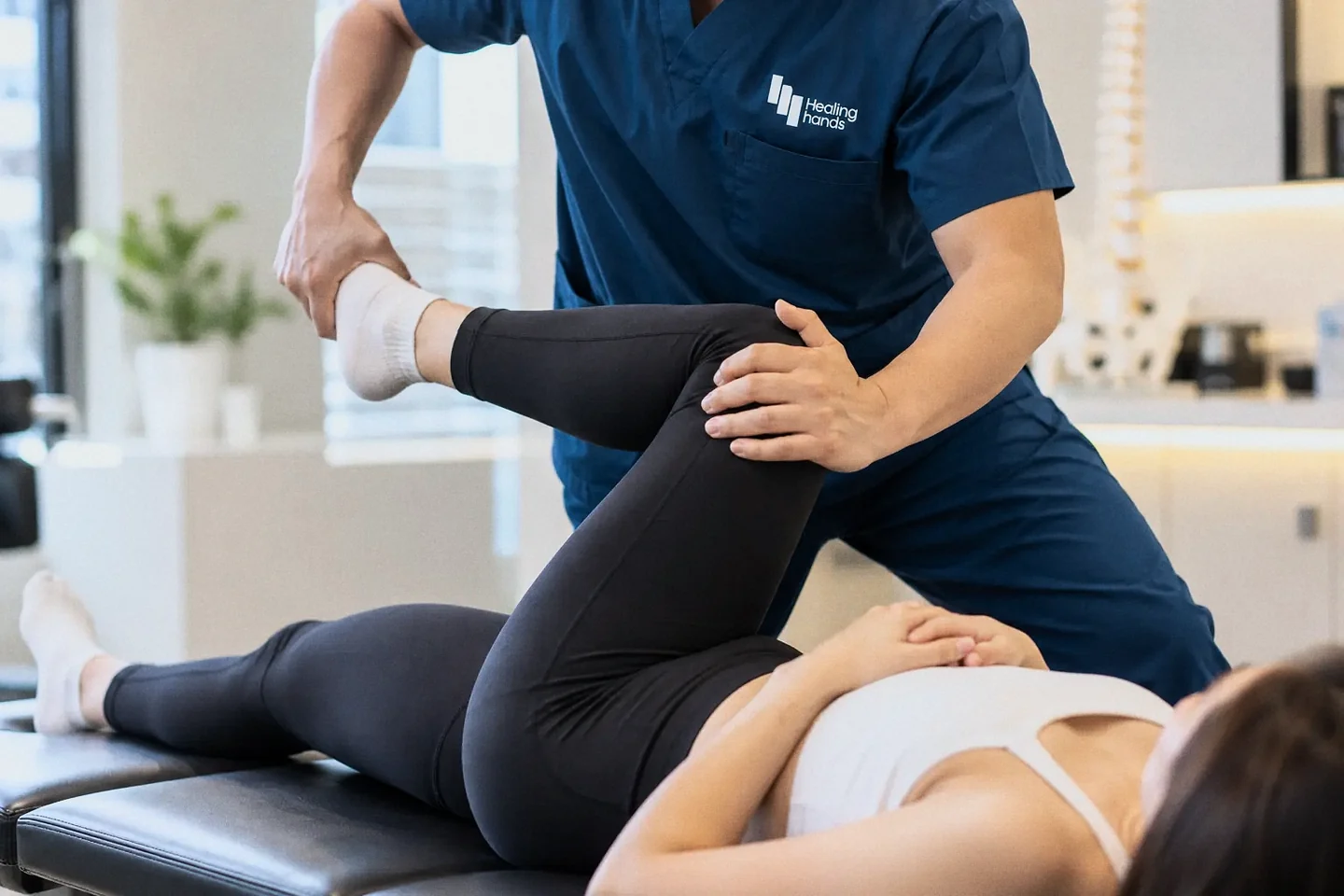
Therapist-assisted leg stretch during a stretch therapy session at Healing Hands

The debut of Stretch Therapy at Healing Hands

What is stretch therapy?

At Healing Hands Wellness, we’re always evolving to bring you holistic treatments that support your body’s natural healing. Our latest service, Stretch Therapy, is a dynamic, hands-on approach designed to improve your mobility, flexibility, posture and overall well-being.

Assisted stretching, also known as stretch therapy, is a guided, hands-on technique. Our HH Stretchologists use hands-on, active assisted stretching to open and expand your muscles and fascial tissue, giving you the freedom to stay active in life. Stretching adds to your overall health by supporting mobility, circulation and wellbeing.
The benefits of stretch therapy

  • May increase flexibility and joint mobility
  • Can help reduce muscle tension or soreness
  • Supports better posture and alignment
  • Boosts circulation and recovery
  • Supports sports performance
  • Helps reduce the risk of injury

Pricing

Stretch therapy price in Singapore.

One simple session price, valid for peak and off-peak slots, with a fully trained stretch therapist.

Stretch therapy session

Consultation + stretch session

$50 30-minute stretch + 15-minute consultation

  • Only by fully trained stretch therapists
  • Valid for peak and off-peak slots
  • 15-minute consultation, including a mobility and posture assessment
  • 30 minutes of assisted stretching tailored to your body’s needs
  • Aftercare and home advice

T&Cs apply. Pricing shown is for stretch therapy sessions.

Looking for a chiropractic first consultation? See chiropractic pricing.

Is it right for you?

Who is stretch therapy for?

  • Office workers with stiff necks, tight hips or rounded shoulders from prolonged sitting
  • Athletes and fitness enthusiasts looking to improve performance, mobility and recovery
  • Seniors aiming to maintain flexibility and balance
  • Those recovering from injuries (e.g. sprains, strains, postural imbalances)
  • Students experiencing posture issues, neck or back strain, or fatigue
  • Frequent travellers with tight backs, hips and sluggish circulation from long flights

What to expect

What to expect at your stretch therapy session.

Every session is tailored to your body, from the first assessment to the advice you take home.

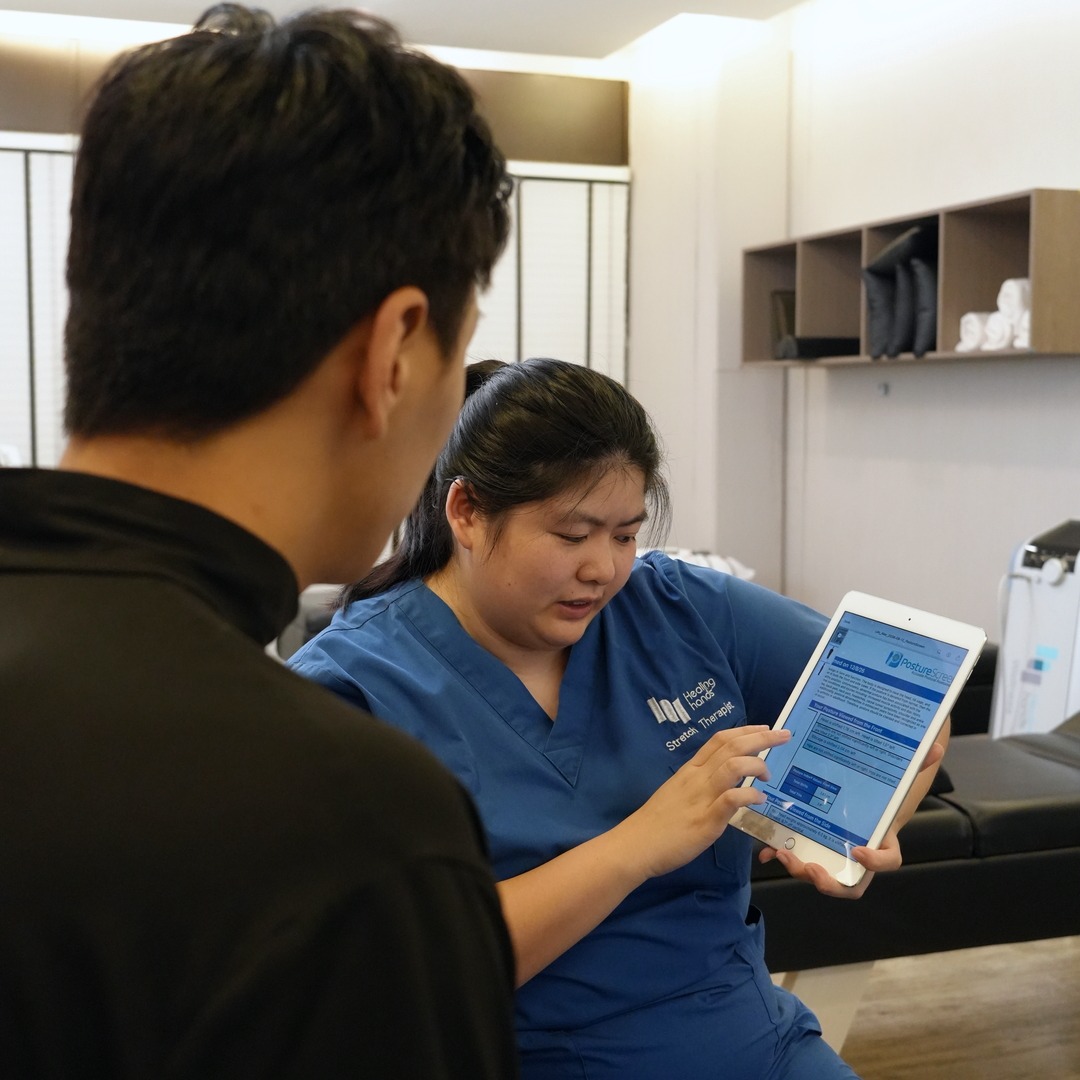
Stretch therapist reviewing a posture screening on a tablet with a patient during the consultation and assessment

Consultation and assessment

A short chat about your lifestyle, past injuries and goals, then a quick mobility and posture check to find the tight or underactive muscles.

Stretch therapy session step: assisted stretching

Assisted stretching

Lie back, fully clothed, while your therapist guides slow, controlled stretches tailored to your body to lengthen muscles and release fascia.

Stretch therapy session step: mobility progress tracking

Guided cooldown

A calm cooldown eases you out of deep stretching and helps prevent soreness afterwards.

Stretch therapy session step: aftercare and home advice

Aftercare and home advice

Your therapist shares what they found, plus simple stretches for home, recovery tips and how to pair stretch therapy with chiropractic care or your training.

Stretch therapy + chiropractic

Think of chiropractic as realigning your structure, and stretch therapy as supporting it.

At Healing Hands, we believe in treating the body as a whole, not just focusing on one area of discomfort. That is why stretch therapy is a natural complement to chiropractic care.

Chiropractic

Works on the skeletal system by addressing misalignments in the spine and joints, supporting balance throughout the body.

Stretch therapy

Targets the muscular and fascial systems. It relieves muscle tension, improves elasticity and helps address muscular imbalances that can pull your joints and spine out of alignment.

The benefits of combining them include

  • Support for lasting results, as muscles are less likely to pull the body back into misalignment
  • Support for recovery from injuries or postural problems
  • Better flexibility, which reduces strain on the spine and joints
  • Improved posture, balance and coordination
  • Support in reducing recurrence of pain in the neck, shoulders, hips and lower back

Personalised care

Your body, your plan.

At Healing Hands, we are always evolving to bring you holistic treatments that support your body’s natural healing. Every stretch session is fully customised: our trained therapists assess your body’s needs and tailor a recovery plan that works in harmony with your chiropractic treatments or overall wellness goals.

You can book stand-alone sessions or integrate stretch therapy into your existing chiropractic care plan. Prefer a gentler, hands-on approach? Healing Hands also offers osteopathy.

FAQs

Stretch therapy in Singapore: your questions answered.

Can’t find your answer? Read our full FAQs or ask your nearest clinic.

How much does stretch therapy cost in Singapore?

A stretch therapy session is $50: a 30-minute stretching session preceded by a 15-minute consultation, valid for peak and off-peak slots, with a fully trained stretch therapist. T&Cs apply. See pricing.

Which Healing Hands clinics offer stretch therapy?

Stretch therapy is available at Ang Mo Kio, Bedok, Buona Vista (Rochester Mall), City Hall (The Adelphi), Hougang and Jurong East. See addresses and opening hours.

What is stretch therapy? How does it work?

Stretch therapy is a structured, therapist-assisted stretching method designed to improve flexibility, joint mobility, posture and muscular balance. Unlike passive stretching at home, a trained therapist guides your body through sequenced stretches that target specific muscles, fascial lines and movement patterns. It is suitable for many ages and fitness levels, especially people dealing with stiffness or restricted movement from daily habits. It combines elements of manual stretching, muscle activation, myofascial release and controlled breathing. The therapist gently moves your body into deep stretch positions and holds them long enough for the nervous system to relax, allowing muscles to lengthen. This can reduce tension, support circulation and improve joint mechanics.

Is stretch therapy painful?

It should not be painful. You may feel a deep, intense stretch or mild discomfort as your muscles lengthen, but your therapist works within your safe range and adjusts pressure, speed and depth based on your tolerance. The goal is to release tension, not create pain. Many clients describe the experience as relaxing, similar to a “good stretch” sensation.

How long is a stretch therapy session?

A stretch therapy session is a 30-minute stretching session, preceded by a 15-minute consultation, so allow about 45 minutes in total. The consultation lets your therapist understand your posture, flexibility and lifestyle habits and assess your mobility, so the 30 minutes of assisted stretching can target major muscle groups and specific problem areas. Regular sessions are recommended for long-term improvement.

Is stretch therapy safe for seniors?

Stretch therapy can suit many seniors when performed by trained therapists. Sessions are tailored to the individual’s mobility level, medical conditions and joint health, so tell your therapist about any health concerns before you start. Gentle, controlled stretches can help with flexibility, stiffness and balance.

What’s the difference between stretch therapy and a regular stretch?

Home stretching is typically passive and less targeted. Stretch therapy is therapist-assisted and uses precise angles, controlled movements and specific holds that are hard to achieve alone. It also incorporates myofascial techniques, joint mobility and muscle activation, so it is more targeted and personalised than stretching by yourself.

Is stretch therapy similar to yoga?

While both can improve flexibility and the mind-body connection, stretch therapy is more targeted and therapist-guided. Unlike yoga, which relies on personal control and active stretching, stretch therapy lets your body fully relax while a trained professional moves and stretches you. This can lead to deeper releases for people who struggle with flexibility or proper form.

Can stretch therapy improve athletic performance?

Athletes often use stretch therapy to support joint range of motion, reduce muscular tightness, improve movement efficiency and recover after training. Many runners, lifters and sports players include assisted stretching in their routine.

Are there any side effects of stretch therapy?

Most people experience no significant side effects. You may feel mild soreness similar to a workout, especially after your first session, as your body adapts to deeper movement. This usually improves within 24–48 hours. Hydration, proper breathing and consistent sessions can help minimise soreness.

How is stretch therapy different from sports massage?

Sports massage focuses on soft tissue manipulation, while stretch therapy focuses on lengthening muscle fibres, improving mobility and supporting joint function. Sports massage is more passive, while stretch therapy actively moves your body through controlled positions. Both can complement each other, but stretch therapy is specifically designed to improve mobility and functional movement.

Does stretch therapy improve circulation?

Stretching can stimulate blood flow by lengthening tissues and reducing compression around blood vessels. Better circulation supports nutrient delivery to muscles and recovery. Many clients notice warmer muscles and increased energy after sessions.

Can stretch therapy help with tight hips or legs for people who can’t reach their toes?

Stretch therapy is commonly used for people with tight hips, hamstrings, calves or lower-back muscles, which are all common reasons someone can’t reach their toes. A trained therapist guides your legs, hips and lower back through controlled, targeted stretches that go deeper than self-stretching, helping to lengthen muscles safely, release fascial restrictions and retrain your body to move with better mechanics. Many clients notice improvements such as reaching closer to their toes, reduced tightness and easier bending, and consistent sessions can build on this over time. Results vary from person to person.