What is muscle strain & muscle sprain?
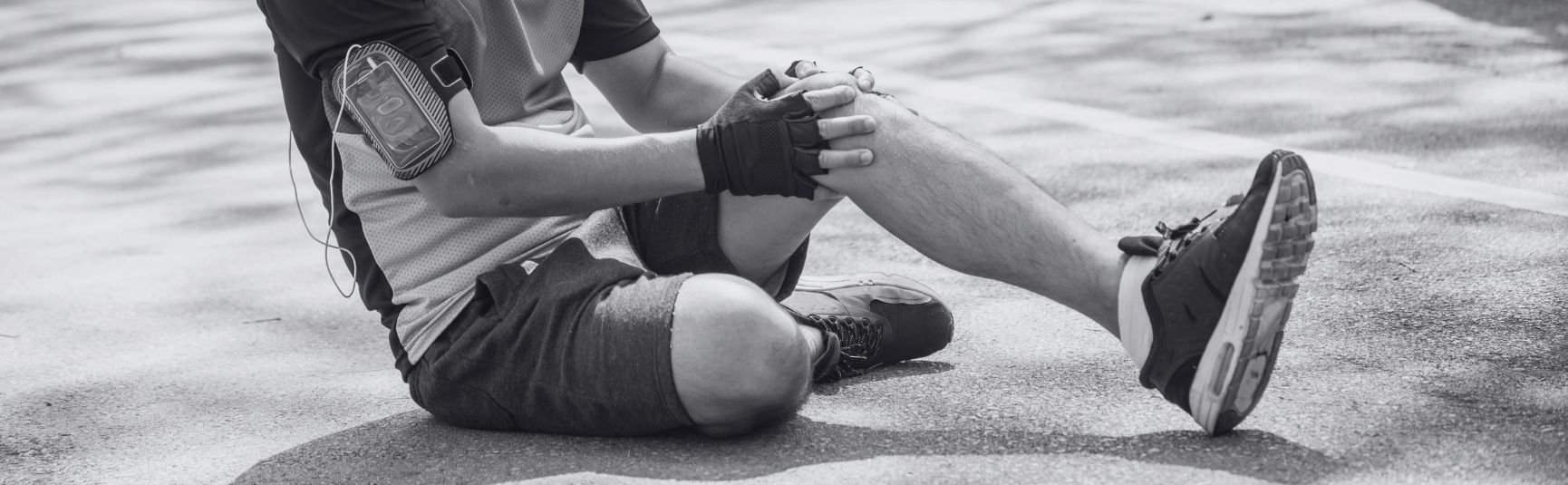
A strain, also known as a pulled muscle, refers to the stretching or tearing of muscle fibers or tendons (the tissues that connect muscles to bones) due to excessive force or overexertion.
A muscle sprain refers to an injury that affects the ligaments, which are the tough bands of fibrous tissue that connect bones together at a joint. Unlike muscle strains, which involve damage to muscle fibers, sprains involve damage to ligaments.
What are the differences between muscle strain and muscle sprain?
Strain | Sprain | |
Location of injury | Primarily affects the muscle fibers or tendons. | Primarily affects the ligaments at a joint. |
Structures affected | Damage to muscle fibers or tendons. | Damage to ligaments. |
Causes | Typically occurs due to excessive force, overexertion, or sudden, forceful movements. | Often happens when a joint is forced into an unnatural or excessive range of motion, through twisting, impact, or falls. |
Symptoms | pain, swelling, muscle spasms, weakness, and limited range of motion in the affected muscle or muscle group. | pain, swelling, bruising, tenderness, joint instability, and limited range of motion in the affected joint. |
Severity Grading | Classified into three grades (mild, moderate, and severe) based on the extent of muscle fiber or tendon damage. | Also classified into three grades (mild, moderate, and severe) based on the extent of ligament stretching or tearing. |
Commonly Affected Areas | Can occur in various muscles throughout the body, such as the back, neck, shoulders, hamstrings, quadriceps, and calf muscles. | Frequently occurs in joints like the ankles, wrists, knees, and fingers. |
What are the complications from strain & sprain?
While strains and sprains are generally common injuries that can heal with proper treatment and rehabilitation, there are potential complications that can arise in some cases. These complications may include:
- Chronic Pain: In some instances, strains or sprains may lead to persistent or chronic pain even after the initial injury has healed. This can occur due to inadequate healing, re-injury, underlying joint or muscle imbalances, or incomplete rehabilitation. Chronic pain can affect daily activities and quality of life, requiring additional medical intervention and long-term management.
- Muscle Weakness and Imbalance: Prolonged immobilization or limited use of the affected muscle or joint during the healing process can lead to muscle weakness and imbalances. These imbalances can result in altered movement patterns and increased stress on other muscles or joints, potentially leading to further injuries or chronic issues.
- Joint Instability: Severe sprains that involve complete ligament tears can lead to joint instability. Instability occurs when the ligaments that provide support and stability to a joint are damaged or weakened, resulting in a feeling of looseness or frequent episodes of joint dislocation. Joint instability may require additional medical intervention, such as surgical repair, to restore stability and function.
- Limited Range of Motion: Without proper treatment and rehabilitation, strains and sprains can result in reduced flexibility and limited range of motion in the affected muscle or joint. Scar tissue formation, muscle stiffness, and joint stiffness can contribute to these limitations, potentially affecting functional activities and athletic performance.
- Recurrent Injuries: If the underlying cause or contributing factors of the initial muscle strain or sprain are not addressed, there is an increased risk of recurrent injuries in the same area. Weakness, poor muscle conditioning, inadequate warm-up or stretching, and returning to activities too quickly can all contribute to recurring strains or sprains.
The common causes of strain & sprain:
Strains and sprains injuries can occur due to a variety of factors and activities. Here are some common causes:
- Overexertion: Engaging in activities that require intense or repetitive muscle contractions, such as lifting heavy objects, performing vigorous exercise, or participating in sports, can put excessive strain on the muscles and increase the risk of strains or sprains.
- Improper Warm-up or Stretching: Failing to adequately warm up before physical activity or neglecting to perform proper stretching exercises can leave muscles and ligaments unprepared for the demands of movement, making them more susceptible to injury.
- Fatigue: Muscles that are fatigued or exhausted are more prone to strains and sprains as they may lack the necessary strength and support to withstand the forces placed upon them during physical activity.
- Sudden Movements or Impact: Abrupt or unexpected movements, such as rapid changes in direction, sudden stops, or collisions, can place excessive stress on the muscles and joints, increasing the risk of strains or sprains.
- Poor Conditioning and Muscle Imbalances: Insufficient strength and conditioning of the muscles, as well as imbalances between opposing muscle groups, can result in inadequate support and stability around joints, making them more susceptible to injury.
- Inadequate Equipment or Protective Gear: Not using proper equipment or protective gear during sports or physical activities, such as ill-fitting shoes or lack of appropriate padding, can increase the risk of strains and sprains.
- Falls or Accidents: Traumatic events such as falls, slips, or accidents can lead to muscle strains and sprains, particularly when joints are forcefully impacted or twisted.
- Previous Injuries: A history of previous muscle strains or sprains can weaken the affected area, making it more susceptible to future injuries.
Do I need to see a doctor for strain & sprain? When should I see a doctor?
You should consider seeing a doctor for strains and sprains in the following situations:
- Severe pain, significant swelling, or bruising.
- Inability to bear weight or move the joint.
- Persistent or worsening symptoms after a few days of home care.
- History of recurring injuries in the same area.
- Limited range of motion hindering normal activities.
- Pre-existing conditions, complications, or concerns.
If you experience any of these conditions, seeking medical attention is recommended. A doctor can evaluate the injury, provide proper treatment, and address any underlying issues to support your recovery.
What are the treatments for strain & sprain?
The treatment for strains and sprains typically involves the following:
- (R)Rest: Resting the injured muscle or joint is essential to allow the healing process to occur and prevent further damage.
- (I)Ice: Applying ice to the affected area for 15-20 minutes every 2-3 hours helps reduce pain, swelling, and inflammation.
- (C)Compression: Wrapping the injured area with an elastic bandage or compression sleeve can help reduce swelling and provide support.
- (E)Elevation: Elevating the injured limb above heart level helps reduce swelling by allowing fluids to drain away from the area.
- Pain Relief: Over-the-counter pain medications, such as acetaminophen or non-steroidal anti-inflammatory drugs (NSAIDs), can help manage pain and reduce inflammation.
- Gradual Movement and Rehabilitation: Once pain and swelling have subsided, gradually reintroducing movement and engaging in rehabilitation exercises under the guidance of a healthcare professional helps restore strength, flexibility, and range of motion.
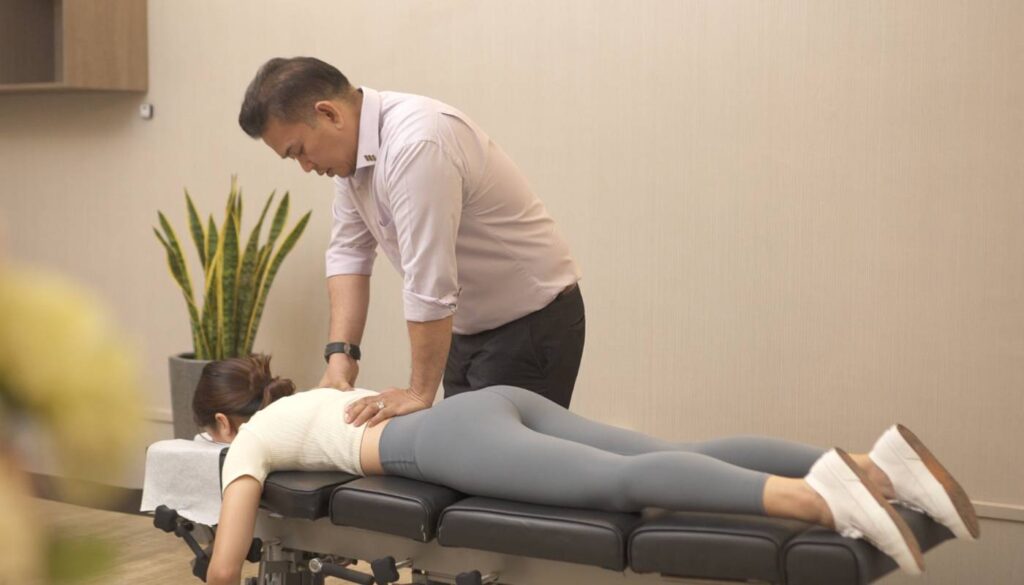
- Chiropractic: Chiropractic care can be beneficial for treating muscle strains and sprains. Chiropractors can diagnose and assess the injury, provide manual therapy to reduce pain and tension, prescribe rehabilitation exercises, offer pain management techniques, and provide preventive care and education.
Home remedies that can provide relief for strains and sprains include:
- Heat or Cold Therapy: Alternating between heat and cold therapy, such as using a heating pad or warm towel followed by an ice pack, can help reduce pain and promote healing.
- Gentle Massage: Lightly massaging the affected area can help improve blood flow, reduce muscle tension, and alleviate discomfort.
- Gentle Stretching: Performing gentle stretching exercises, guided by a healthcare professional, can help prevent stiffness and promote flexibility as the injury heals.
- Adequate Rest and Sleep: Ensuring sufficient rest and sleep allows the body to heal and recover effectively.
Is chiropractic treatment good for strain & sprain? Should I see a chiropractor?
Visiting a chiropractor for muscle strains and sprains can be beneficial for several reasons:
- Expert Evaluation: Chiropractors are trained to evaluate and diagnose musculoskeletal conditions, including muscle strains and sprains. They can assess the extent of your injury, identify any underlying issues, and develop an appropriate treatment plan.
- Natural and Non-Invasive Approach: Chiropractic care focuses on natural and non-invasive treatments, avoiding the use of medication or surgery. This can be appealing if you prefer a conservative approach to healing and pain management.
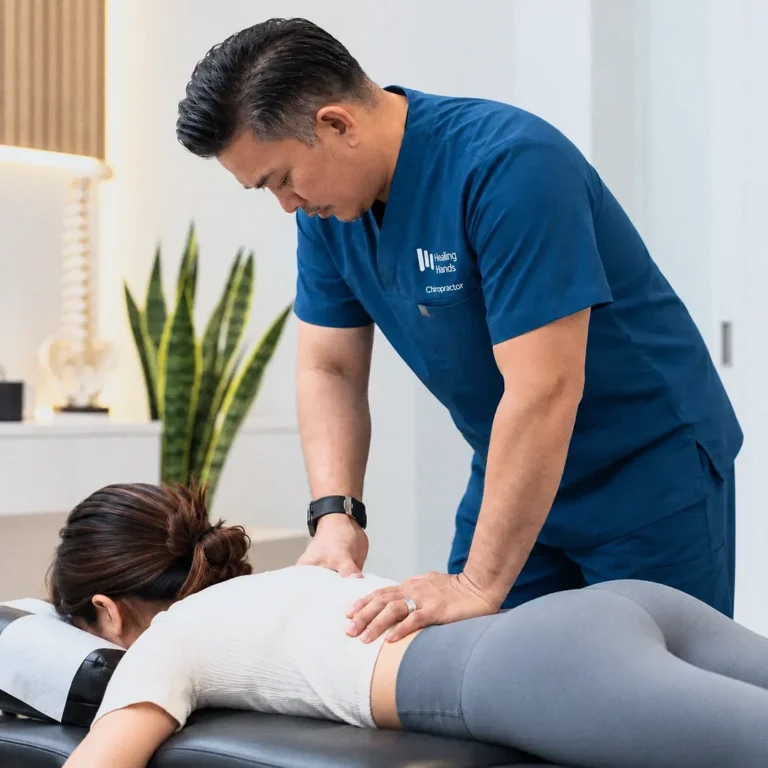
- Manual Therapy: Chiropractors use hands-on techniques, such as spinal adjustments, joint mobilization, and soft tissue therapies, to alleviate pain, reduce muscle tension, and restore normal joint function. These manual therapies can promote healing and help you recover faster.
- Rehabilitation Exercises: Chiropractors often prescribe specific exercises and stretches to strengthen the injured muscles, improve flexibility, and enhance overall function. These exercises are tailored to your specific condition and can expedite your recovery.
- Pain Management: Chiropractors can provide various pain management strategies, such as heat or cold therapy, electrical stimulation, or ultrasound. These modalities can help reduce pain, inflammation, and swelling associated with muscle strains and sprains.
- Preventive Care and Education: Chiropractors offer guidance on injury prevention techniques, proper body mechanics, and lifestyle modifications to minimize the risk of future strains and sprains. They can educate you on ergonomics and exercises to improve your posture and musculoskeletal health.
While chiropractic care can be beneficial for many individuals with muscle strains and sprains, it’s important to consider the severity of your injury and consult with a healthcare professional to determine the most suitable treatment approach for your specific condition.
This page is general health information, not a diagnosis. If your symptoms are severe, sudden or getting worse, see a doctor promptly. Last updated October 2026.